
Chinese Eggplant Stir-Fry
This Chinese Eggplant Stir-Fry features tender eggplant sautéed to perfection in a flavorful sauce, embodying home-style Chinese cooking.
Contents (5 sections)▾
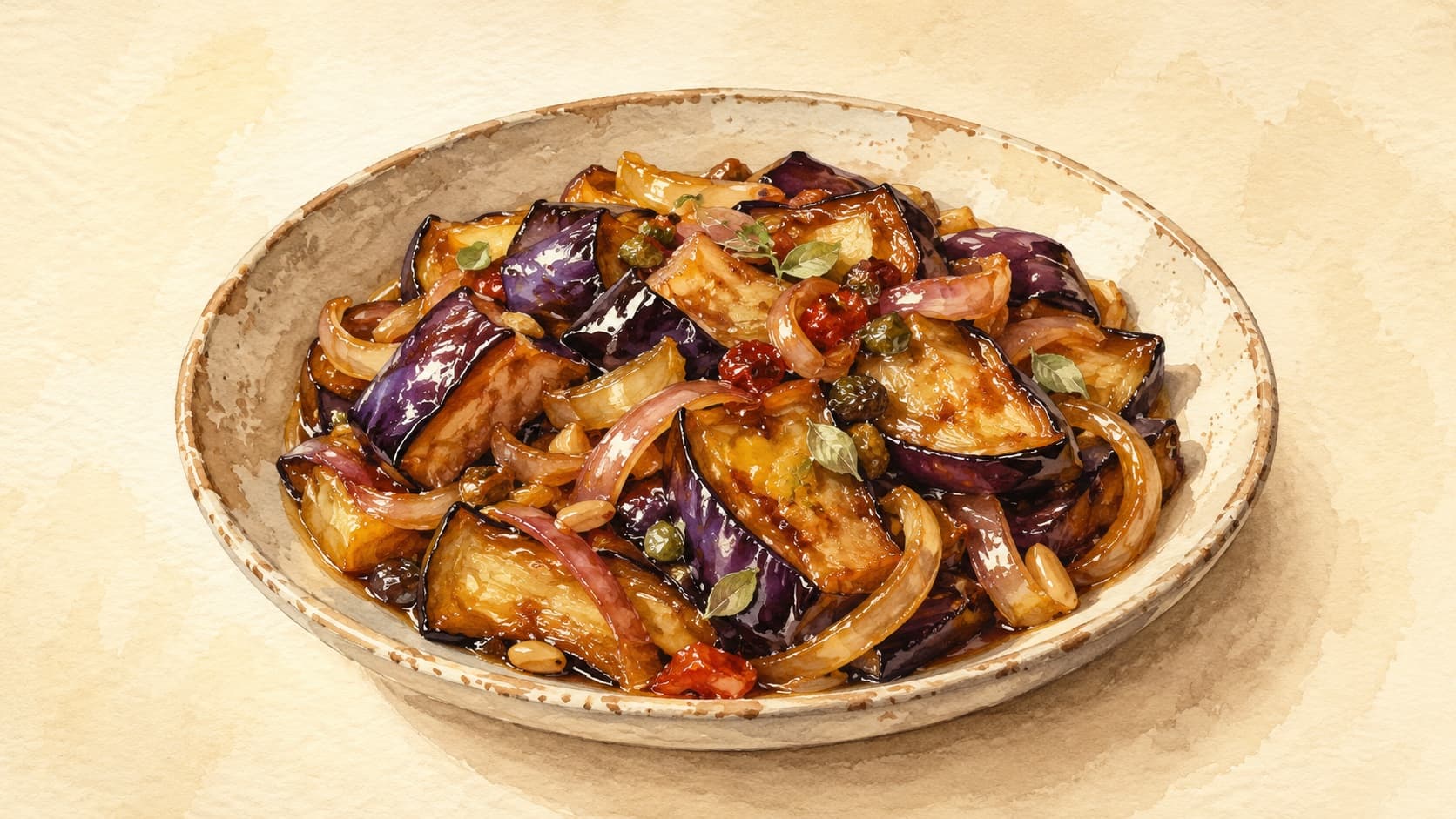
Ingredients
- 500 g Chinese eggplant, cut into 2-inch pieces
- 3 tbsp vegetable oil
- 3 cloves garlic, minced
- 1 inch ginger, minced
- 2 tbsp soy sauce
- 1 tbsp oyster sauce
- 1 tsp sugar
- 1/2 cup water
- 1-2 green onions, chopped
- Salt, to taste
Steps
Heat 2 tablespoons of vegetable oil in a large skillet or wok over medium-high heat until shimmering, about 2 minutes.
Add the minced garlic and ginger; stir-fry for about 30 seconds until fragrant—this releases their essential oils and flavors.
Add the Chinese eggplant pieces to the skillet and stir-fry for 5-7 minutes until they begin to soften, ensuring they are evenly coated in the oil.
In a small bowl, mix the soy sauce, oyster sauce, sugar, and water. Pour the sauce over the eggplant and stir well.
Cover the skillet and let it cook for an additional 5 minutes, allowing the eggplant to absorb the sauce and become tender.
Remove the lid, add the remaining tablespoon of oil, and sauté for another 2 minutes to achieve a glossy finish. Season with salt and garnish with chopped green onions.
Why this works
The technique of stir-frying is essential in Chinese cuisine, as it retains the freshness and texture of the ingredients while maximizing flavor. In this recipe, using a high smoke point oil like vegetable oil ensures that the garlic and ginger can be sautéed without burning, which is crucial for building the dish's flavor base. The Chinese eggplant is stir-fried until just tender, allowing it to soak up the umami-rich (the deep, savory "fifth taste" found in soy and other fermented foods) sauce made from soy and oyster sauce, which enhances the dish's depth. If the eggplant seems too thick or is not cooking through, simply add a splash more water and cover the skillet to steam it lightly, ensuring it becomes tender without losing its shape. This process helps achieve that perfect balance of flavor and texture, making it a delightful addition to any meal.
Common mistakes
Crowding cold eggplant into the pan and steaming it grey.
Target: A hot pan (oil shimmering, about 2 minutes on medium-high) and eggplant in a single layer, with room around each piece.
Why it matters: Eggplant is mostly water held in a spongy, air-filled structure. Drop too much in at once and the pan temperature crashes; instead of searing, the surface leaks water and the pieces stew into a grey, slippery mush. A hot, uncrowded pan drives that surface water off fast and lets the cut faces brown, which is where the savory depth comes from.
What to do: Heat the pan fully before the eggplant goes in. Work in two batches if your pan is small. Let each side sit untouched for a minute before stirring, so it can color.
Skimping on oil because eggplant "drinks too much."
Target: The full 2 tbsp to start, plus the finishing tablespoon at the end.
Why it matters: Eggplant's sponge structure soaks up oil at first, then releases much of it back as the cells collapse with heat. Starve the pan and the flesh scorches dry and turns leathery before it ever goes tender and silky. The oil is the carrier that makes the finished texture creamy rather than dry.
What to do: Commit the oil up front. If the pan looks bone-dry mid-cook, add a small splash more rather than letting the pieces catch and burn.
Burning the garlic and ginger.
Target: About 30 seconds, just to fragrant — pale gold, never brown.
Why it matters: Raw garlic and ginger are full of volatile aromatic compounds that bloom into the oil within seconds (this is the dish's flavor base). Pushed past that, the same compounds turn acrid and bitter, and no amount of sauce will cover it.
What to do: Have the eggplant ready to go in the moment the aromatics smell fragrant. If your pan runs very hot, drop the heat for the aromatics, then bring it back up.
Pulling the eggplant while it's still firm.
Target: Fully tender and collapsing — a piece should yield with no resistance when pressed, after the covered steam-braise.
Why it matters: Undercooked eggplant is spongy and faintly bitter, with a squeaky texture; properly cooked, the flesh turns custard-soft and absorbs the soy-and-oyster sauce all the way through. The covered 5 minutes with the sauce is a short steam-braise (cooking through with trapped steam and liquid) that finishes the inside.
What to do: If the pieces still feel firm when you lift the lid, add a splash more water, re-cover, and give them a few more minutes. Tenderness is the goal, not the clock.
What to look for
- Eggplant going in: the pan hisses sharply and the cut faces start to color within a minute. A quiet pan means it's not hot enough — the pieces will absorb water and stew instead of sear.
- Mid-cook flesh: the spongy white interior turns translucent and glossy, no longer chalky. That shift from opaque to see-through is the cell walls softening and the oil moving in.
- After the covered braise: a piece collapses under gentle pressure and the sauce has thickened to a glossy coat. Firm centers or a thin, watery sauce mean it needs a few more minutes covered.
- The finish: the eggplant looks lacquered, not oily, and the sauce clings rather than pools. The last tablespoon of oil and a final toss pull it into a glossy, unified dish.
A note on history
This home-style stir-fry sits in the same family as Sichuan yúxiāng qiézi (鱼香茄子, "fish-fragrant eggplant"), whose name is one of cooking's enduring puzzles: it contains no fish. Yúxiāng refers to a Sichuan seasoning method — garlic, ginger, chili, and a sweet-sour balance — traditionally used to cook fish, later applied to vegetables like eggplant; folk accounts trace it to a cook repurposing leftover fish-braising sauce (China Sichuan Food, Omnivore's Cookbook). Whether seasoned in the full Sichuan style or the simpler soy-and-oyster way here, the technique is the same: get eggplant tender enough to drink in a savory sauce.
Get the essays in your inbox — free
Weekly notes on flavor, fermentation, and food history — the writing behind the Atlas of Flavor. No spam; unsubscribe anytime.